
Enabling the Jira integration
To integrate Jira with WebWork:
- In your dashboard, go to the Integrations and click Enable below Jira
- Review the permissions WebWork needs and click Accept

- You will be redirected to WebWork after giving it access. Select the organization you’d like to enable the integration for and authorize.
Changing integration settings
After enabling the integration, you can change its settings in Integrations > Jira.
On the Manage Members tab you can:
- Invite members
- Search for members
- Import members into WebWork. Their WebWork role and task assignments determine their access.
To import members, select them and click Import:

On the Projects tab you can:
- View projects
- Import Jira projects into WebWork
- Select and import projects with certain statuses
- Import a project’s tasks, including sub-tasks, which stay linked to their parent issue so the hierarchy is preserved. Note that WebWork doesn’t currently distinguish between issue types on import — Tasks, Stories, Bugs, and Epics all come in as generic WebWork tasks, so the original Jira issue type isn’t preserved
- WebWork matches imported issues to statuses by their Jira names. Issues in Jira’s Done status category become closed tasks in WebWork, which are excluded from the web timer.
- Selected custom fields from Jira can be brought across as well, along with each issue’s original estimate


WebWork doesn’t import at the board level, and Scrum/Kanban board selection isn’t available — import is done per project. Sprints (state, capacity, or hours per ticket) also aren’t pulled into WebWork.
Syncing Data with Jira
To sync data from Jira to WebWork:
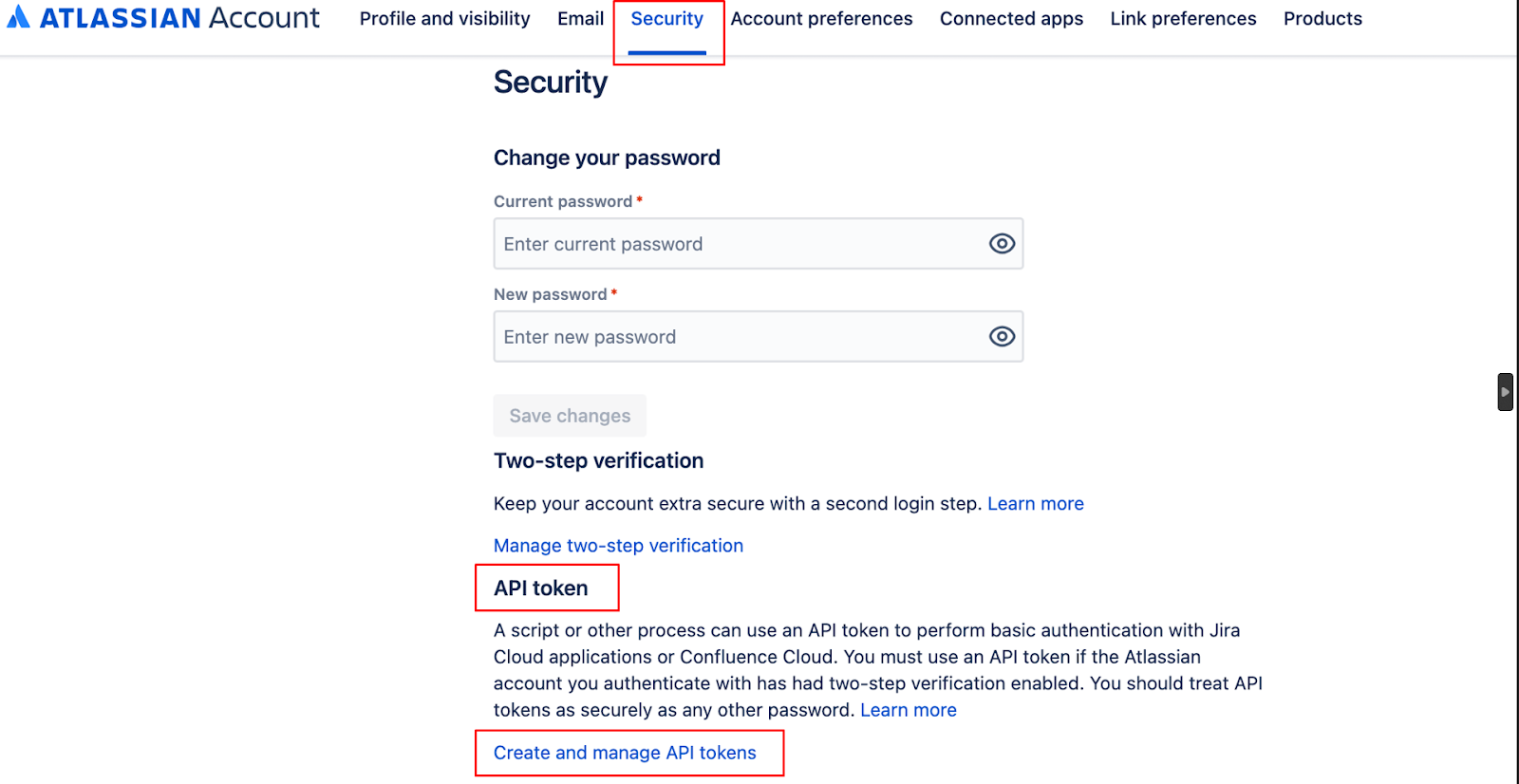
- In your Jira dashboard, go to Manage Account > Security, and under API token, click Create and manage API tokens.
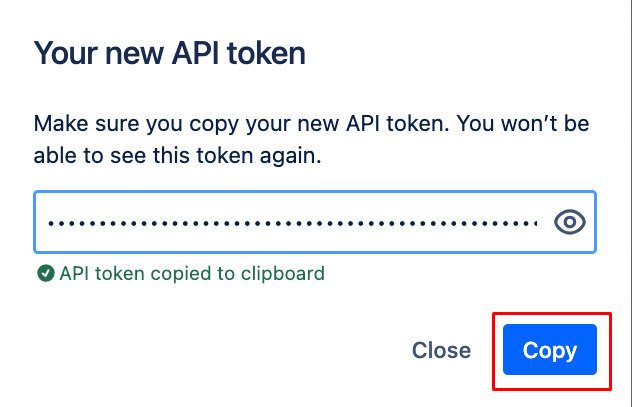
- Create your API token and click Copy.
- Go back to WebWork, paste your API token in the Auto-Sync tab, and click Save.
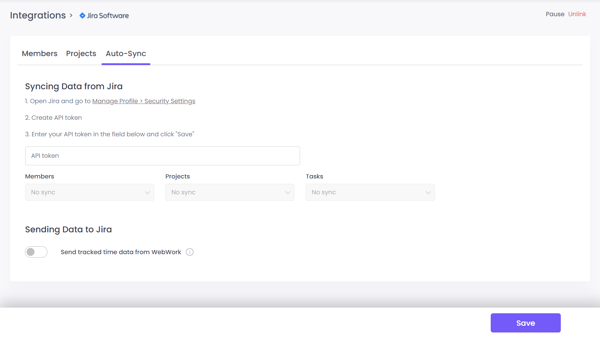
To send tracked time data to Jira, enable the toggle at the bottom of the Auto-Sync tab and click Save.
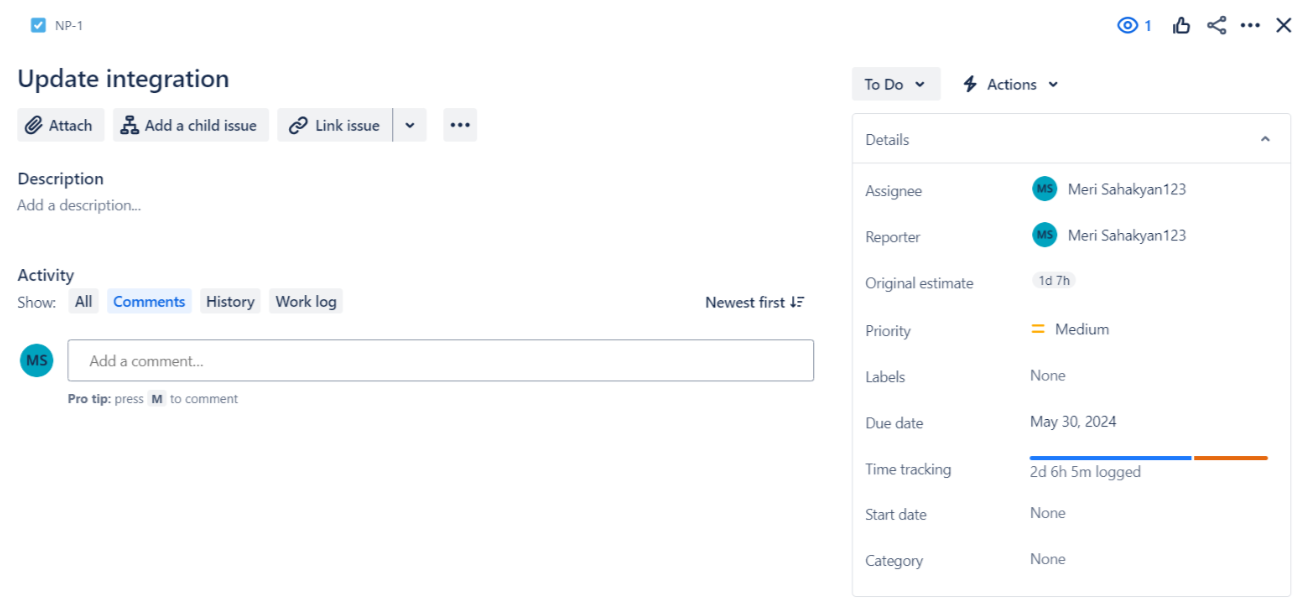
Where to see sent tracked hours in Jira.
- Open the Jira board
- Select the desired issue
- Expand the issue details
- Locate the total tracked hours section
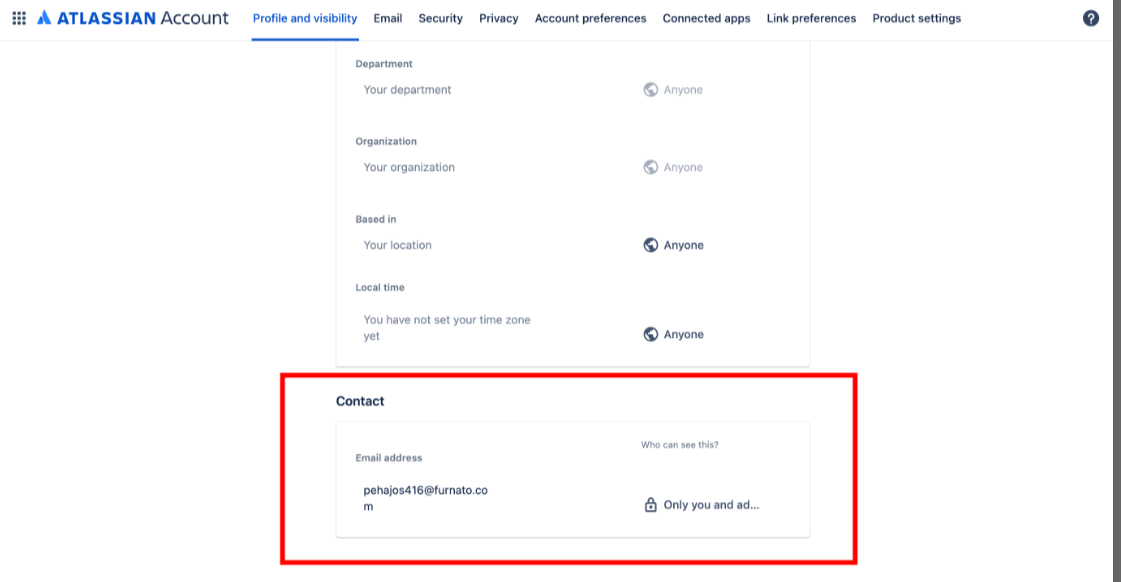
Note: on the Manage Members tab, you will only be able to see the users whose contact settings are set to Anyone on their Atlassian account.
To set contact settings to anyone,
- Log into your Atlassian Account:
- Update Profile and Visibility Settings:
- Go to Profile and Visibility settings.
- Scroll down to the Contact section.
- Change the visibility setting from Only you and admin to Anyone.
Keeping data in sync automatically
To receive Jira task changes, open Integrations > Jira > Auto-Sync. Set Tasks to Turn on auto-sync and click Save. This requires a valid Jira API token and a working connection. If new issues or changes have not arrived, check the connection and import the project’s tasks again.

Enable Two-way sync (push to Jira) and click Save to send WebWork task changes to Jira. Creating, updating or deleting tasks in a linked project is then reflected in Jira. A status change in WebWork requests the matching Jira workflow transition.
Note that issues don’t transition automatically based on timer activity — starting or stopping a timer in WebWork doesn’t by itself trigger a Jira transition. Transitions only happen when you explicitly change an issue’s status in WebWork.
Find Jira issues missing from the web timer
The web timer requires both active project membership and assignment to the task. These requirements apply to the Owner and managers too. Seeing an issue on Tasks does not mean it will appear in your timer.
- Open the WebWork workspace where the Jira project was imported.
- Select that project in the web timer.
- Clear the task search and search by the first words of the issue’s title.
The timer lists each task by the first 50 characters of its title, not by its Jira issue key. An issue such as ABC-123 is listed under its summary.
| What is missing | What to check |
|---|---|
| The project is missing from the timer. | Ask a manager to check your membership in that WebWork project. Your membership must be active, and the project must not be archived. |
| The issue is on Tasks, but missing from your timer. | Check that the WebWork task is assigned to you. Access to other members’ tasks does not add them to your timer. |
| The issue is finished in Jira. | Jira’s Done category imports as closed in WebWork, which excludes it from the timer. WebWork’s separate Done category remains eligible. If the issue still needs work, correct its status in Jira and sync it again. |
| The issue has not appeared in WebWork. | Ask the manager handling the integration to check With tasks, the selected Statuses and whether the import has finished. |
Check the assignment in WebWork even when Jira already names you as the assignee. WebWork carries a Jira assignment across only when it recognises the Jira user. It matches by the same email address, visible through the contact settings described above, or by importing that member on Manage Members. Until then, ask a manager with task-assignment permission to assign the task to you on Tasks.
Import a missing Jira issue
Ask the manager handling the integration to follow these steps:
- Go to Integrations > Jira > Projects.
- Select the Jira project with With tasks enabled.
- Under Statuses, include the issue’s current Jira status.
- Click Import.
Wait for the import to finish, then reload the WebWork page and select the project again. Reload after assignment or status changes have reached WebWork too. Importing a closed issue does not make it available in the timer.
Still having issues?
Contact support with the workspace, member, Jira issue key, WebWork project and browser. Include the issue’s WebWork assignee and status, and say whether it appears on Tasks. Add a screenshot of the timer with its task search cleared.
Was this article helpful?
Thanks for your feedback.